Modern Enough To Unlearn Being Human
BLOG
Christine Ogolla
1/8/20264 min read
I grew up in a place where food did not come with labels.
It came with seasons.
In our backyard, trees stood like quiet providers. Oranges, lemons, avocado, tamarind, castor apple, name them. Their fruits fell freely, sometimes wasted, sometimes shared, never counted. Food did not come wrapped in plastic; it came from soil, from patience, from seasons we understood with our bodies.
We grew maize, peanuts, millet, sorghum, legumes of all kinds. Not on large farms, not for profit, but for life. For eating. For sharing. For survival. Today, those gardens are gone. The trees are gone. The knowledge is fading. What once grew behind our homes now arrives from somewhere far away, mass-produced, stripped of story and soil. We buy what we no longer know how to grow. We eat what we no longer understand.
Our diets have narrowed, too. Diversity replaced by convenience. To only maize and beans, potatoes and spinach, where there used to be abundance. Why did we stop growing food? When did we decide that feeding ourselves was no longer our responsibility?
We are destroying the planet in the same way one burns down a house while still planning to sleep inside it. Burning it slowly, then arguing about how to fix the smoke. We extract, consume, accumulate, then rush to invent solutions for the very problems we created. Creating problems in the name of advancement, then sell solutions in the name of survival. All for more: more wealth, more comfort, more pleasure. For ourselves and not others. Progress, we call it. Even when it costs us everything.
Animals are paying dearly for this illusion.
Snakes no longer glide through the grass. Frogs are crushed on roads built over their homes. Birds flee from the noise of planes and fireworks. The animals we keep we imprison in tight, filthy, crowded spaces, standing through their short lives, until we kill them efficiently, casually, for pleasure, for appetite. As if the earth were not theirs too.
We have built and built and built, until children no longer have space to play. A football is no longer something you kick in the dust with friends; it requires registration, fees, uniforms, schedules. Grass has disappeared from our backyards. Play has been institutionalized. Joy has been organized.
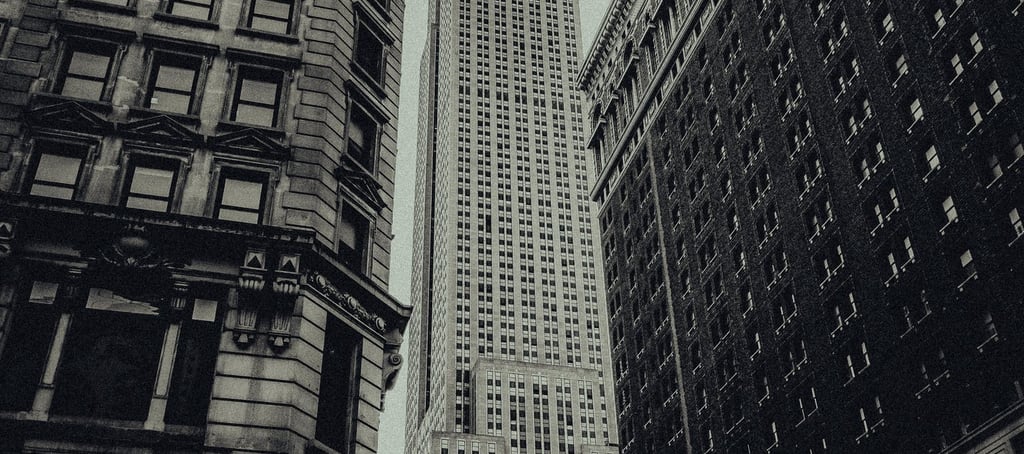
We live stacked in small apartments, lifted away from the earth, surrounded by concrete and glass. To touch nature now, we must plan it. Travel far. Book time. Schedule hikes, lakes, forests. Things that once lived just outside our doors. In trying to make life easier, we have made it unbearably complicated
And as we lost touch with nature, we also lost touch with each other.
Children no longer know how to play with each other. They sit in rooms lit by screens, watching cartoons, playing games, learning the world through pixels instead of touch. Adults aren’t much different. We stay behind closed doors, swiping left and right for connection, calling this isolation a new normal. A new era.
Modernity hardened us. When land became property instead of shared ground, empathy followed the same path. Compassion became selective. Humanity became negotiable.
It became easier to decide who deserves to live well and who does not. Easier to justify suffering with clean words like politics, security, war. We learned how to explain death. How to rationalize it. How to call it necessary.
Disconnection has taught us how to look away. To rank lives. To grieve selectively. When empathy erodes, cruelty begins to sound reasonable. Violence becomes distant. War becomes numbers. Death becomes policy.
We ask: Why should they benefit from our soil? From our land?
As if the earth ever belonged to us alone.
As if borders were carved by nature.
As if survival were a reward instead of a right.
Let them stay there, we say.
Why should they live well here when they can struggle there?
And we didn’t just lose touch with strangers or neighbours.
We lost touch with our own blood.
With parents whose voices now come through short phone calls, rushed, postponed.
With children raised in separate rooms, separate worlds, fluent in screens but unsure how to sit with silence.
With siblings we love, yet rarely know anymore.
We replaced closeness with convenience. Presence with productivity.
So we began seeking love elsewhere. From animals we lock indoors, feed, dress, and adore. Dogs and cats becoming our emotional anchors, our confidants, our stand-ins for the intimacy we no longer know how to sustain with one another. They fill a real ache, but they are also evidence of it.
And then we grow old. Quietly.
In apartments far from the laughter that once filled them.
Lonely, waiting, forgotten by the very children we raised, as they chase what they were told is a “better life.”
Forgetting, or perhaps never learning, that a better life is not found elsewhere.
It is found where love remains.
Where someone knows you without checking a screen.
Where life is shared, not optimized.
But are we happy?
Are we healthy?
Mental health is collapsing under the weight of loneliness. Social bonds are thinning. People are ending their lives in alarming numbers. Diseases jump from animals to humans. Zoonotic consequences of the same systems we exploit and consume. Our food is processed, chemical, disconnected from the land, and our bodies are paying the price.
We have never been more advanced, and never more lost.
This is not only environmental collapse.
It is a loss of relationship.
A forgetting of kinship.
A moral erosion.
When we stopped seeing the earth as alive, as shared, we stopped seeing each other as human. When we lost the land, we lost the language of care. And now we stand in the ruins of our own making, asking why everything feels so broken, so lonely, so unsatisfying.
The problem is not that we are disconnected from nature.
The problem is that we forgot we are nature.
Thoughts by Christine Ogolla
Find more articles like this in LeadWorld blog